
The Process of Casting Glass
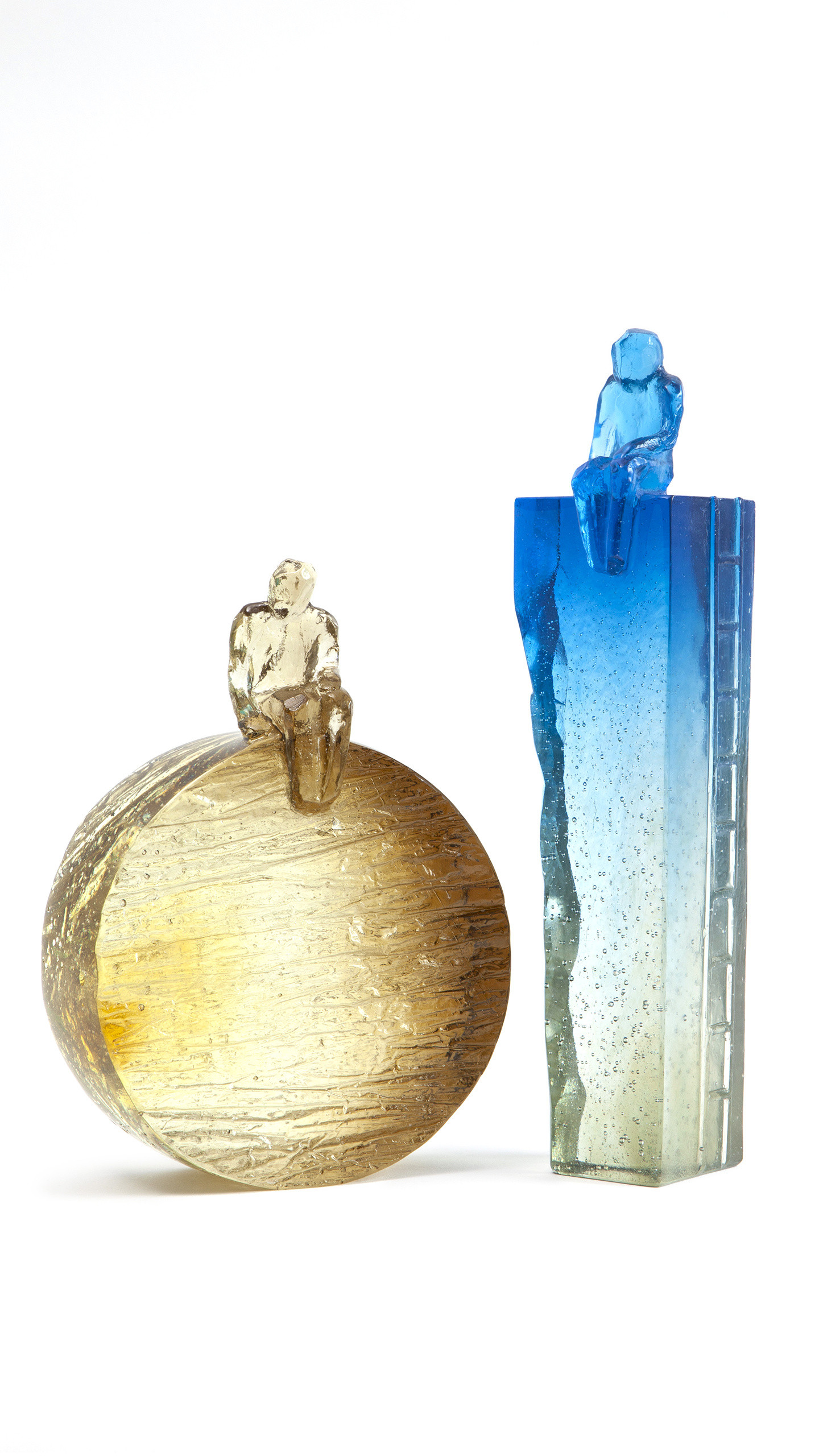
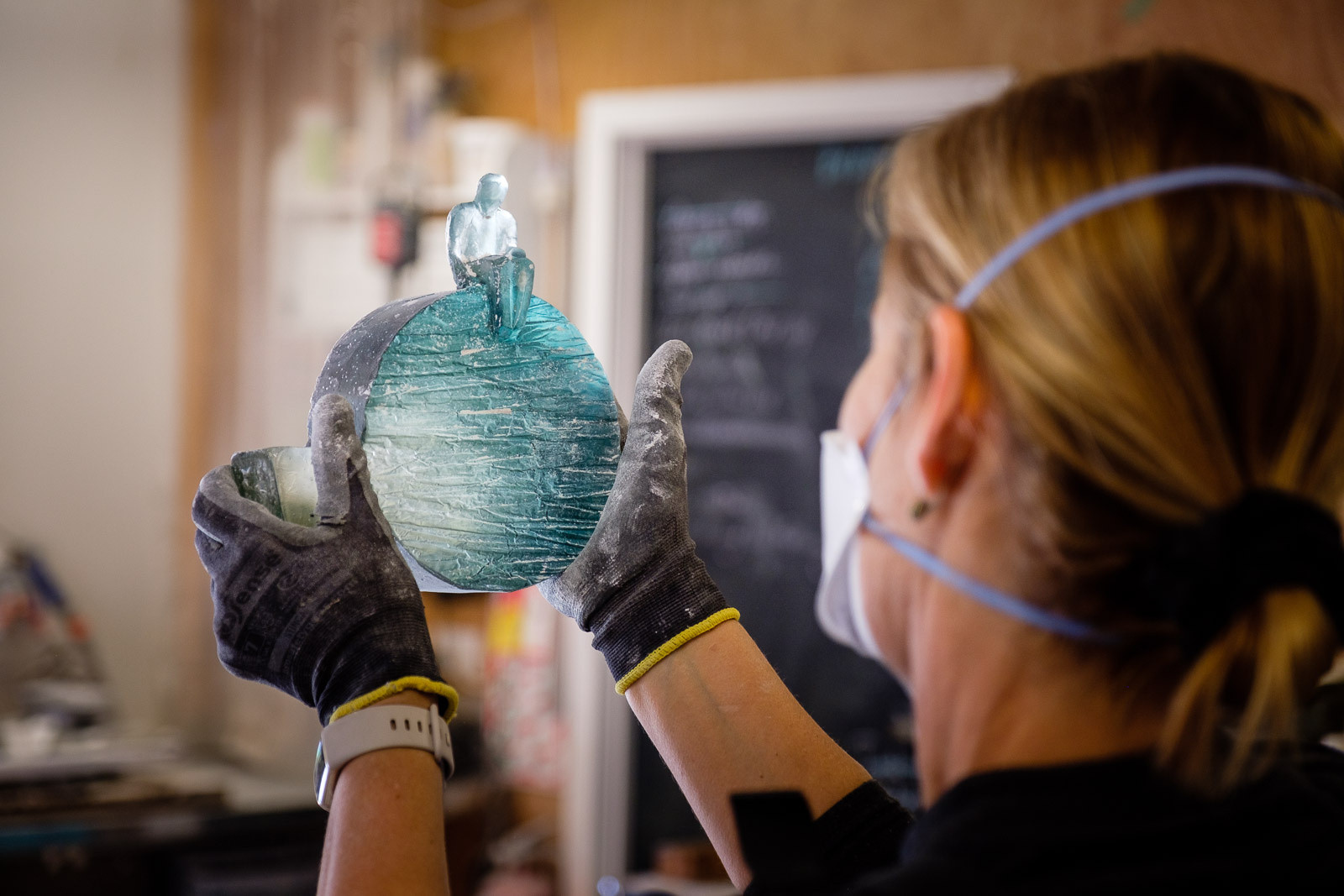
What I enjoy most about glass casting is the variety of tasks and skills required to finish a piece. Drawing, sculpting, mathematics, a steady hand, and a complete thought process are needed to craft a piece.
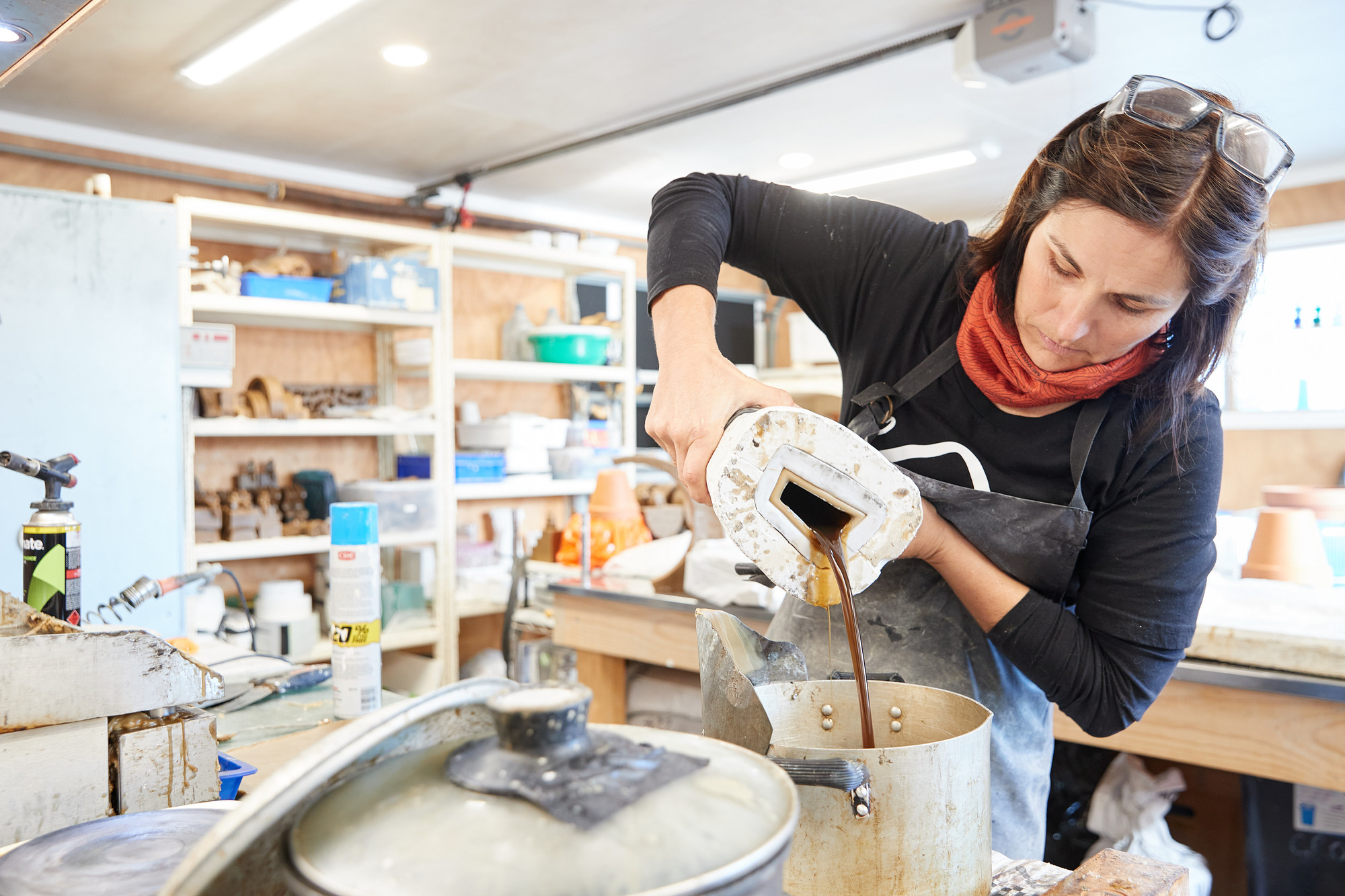
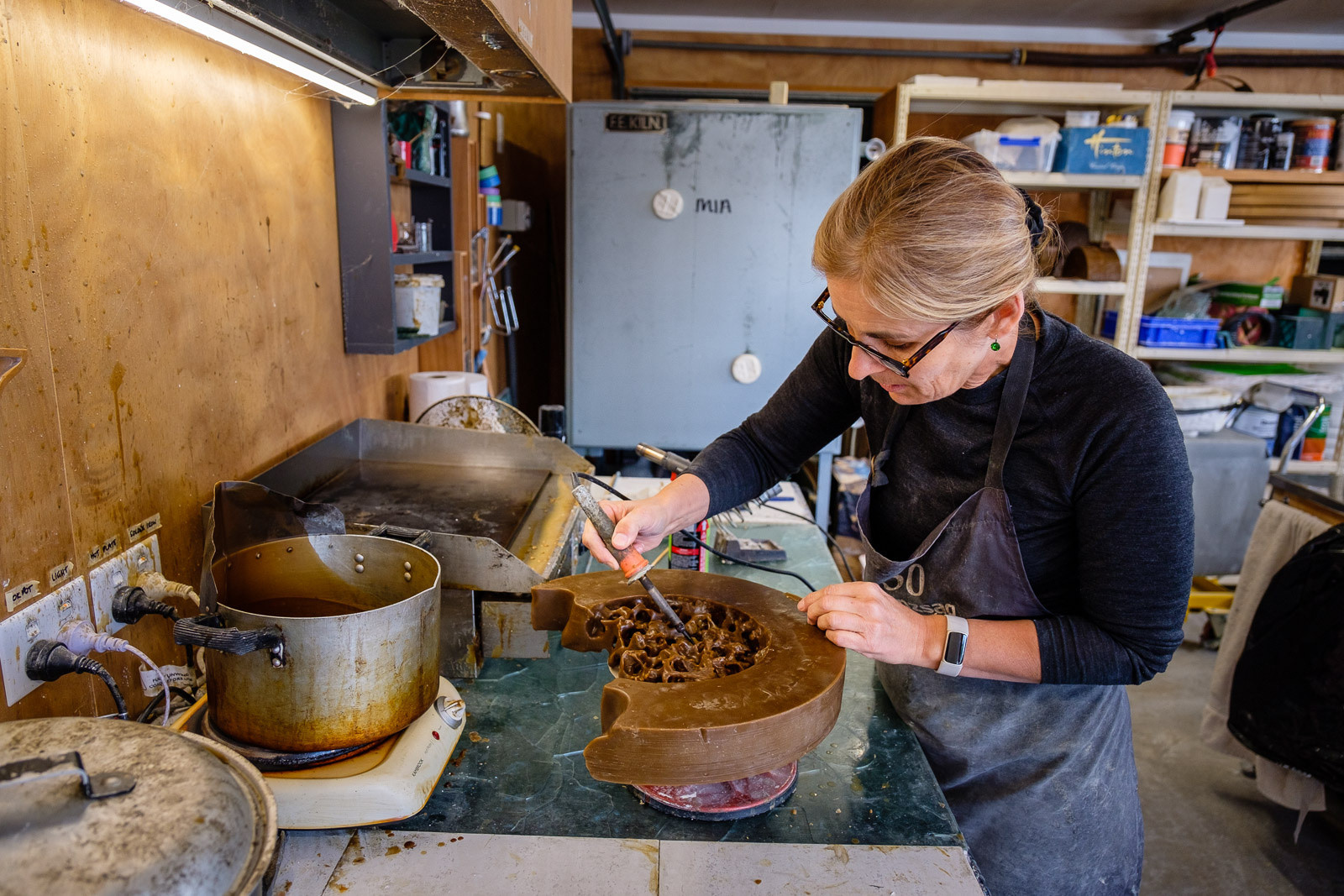
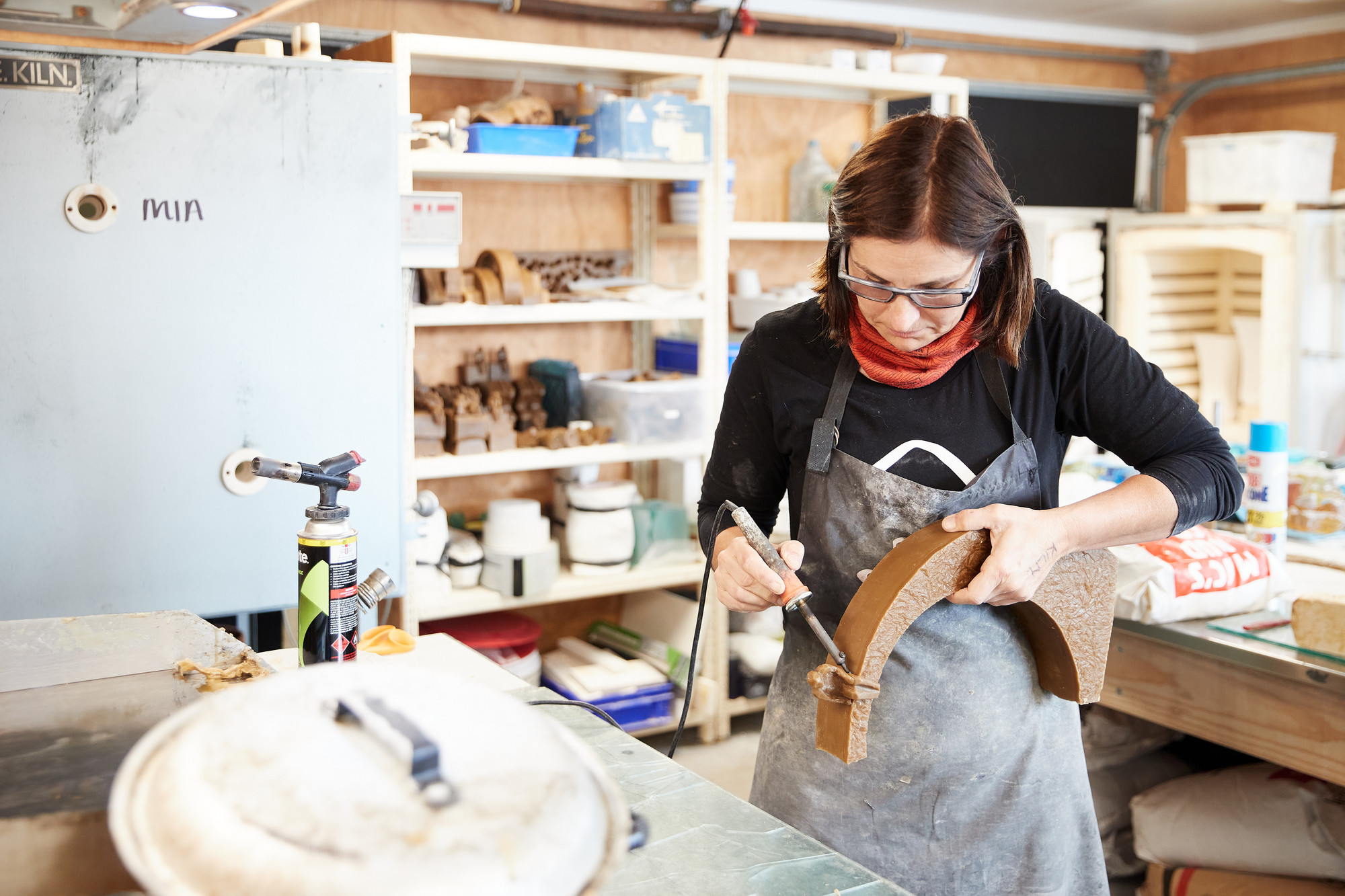
The complete lost-wax casting process:
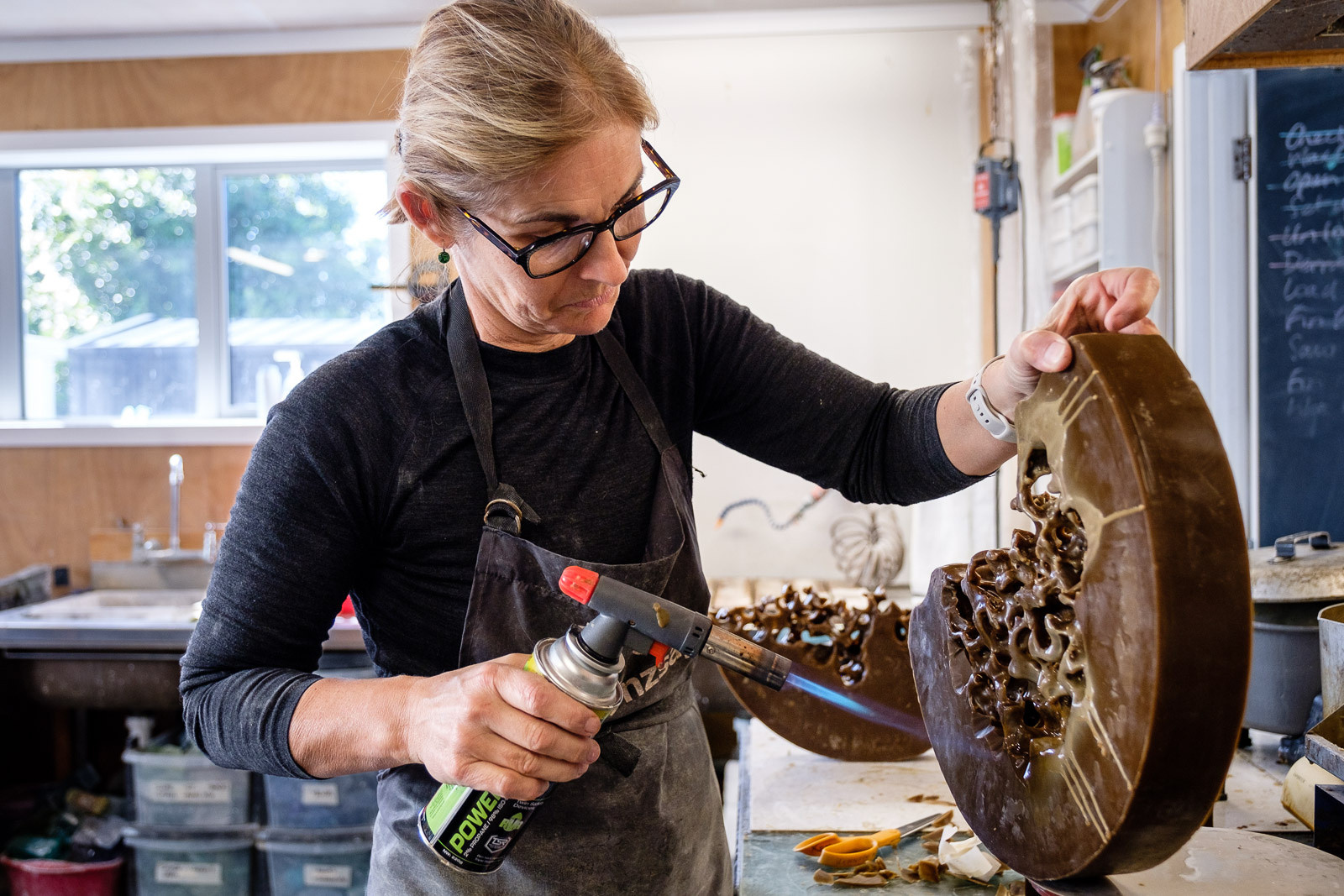
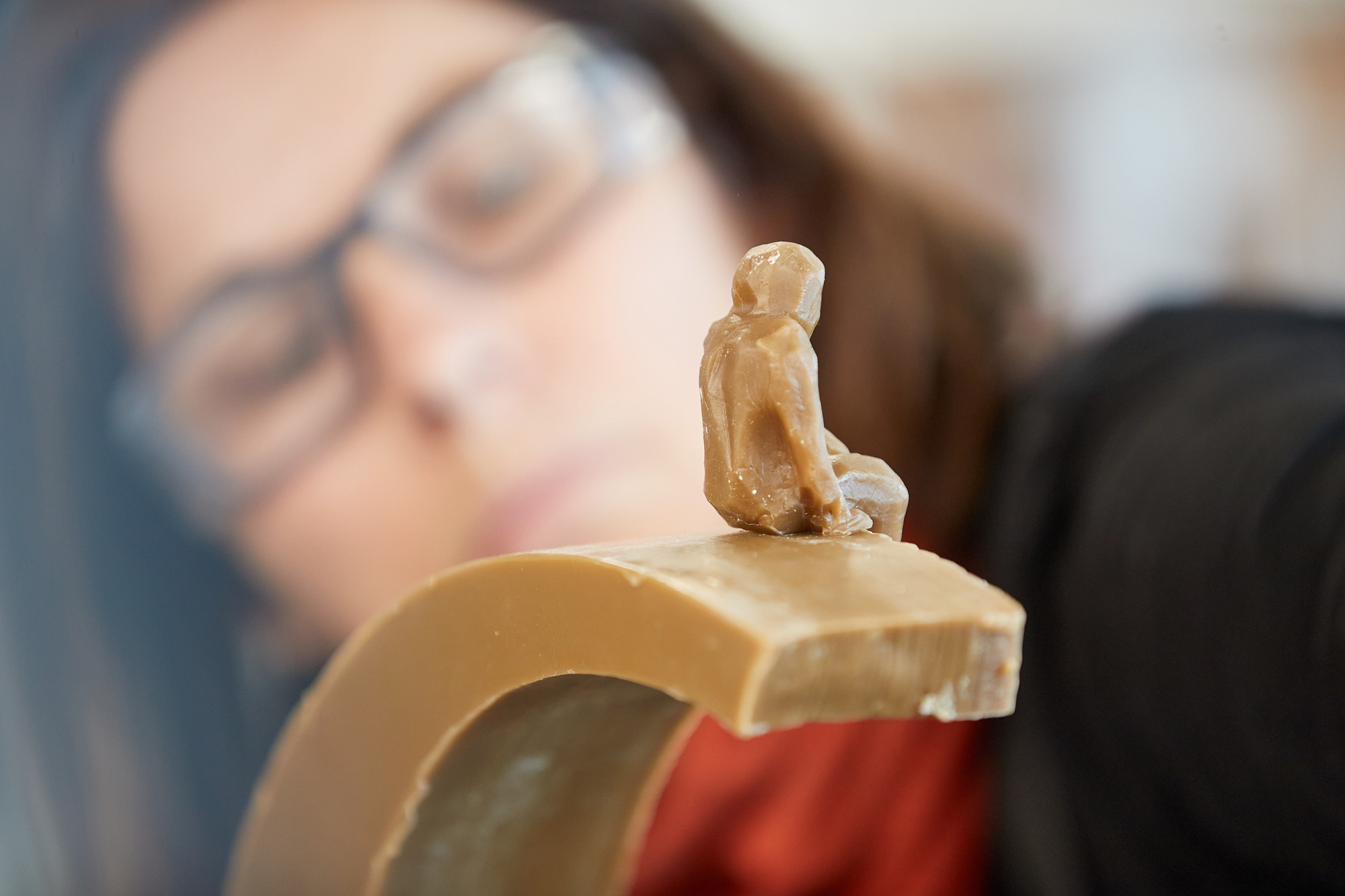
Create a wax model
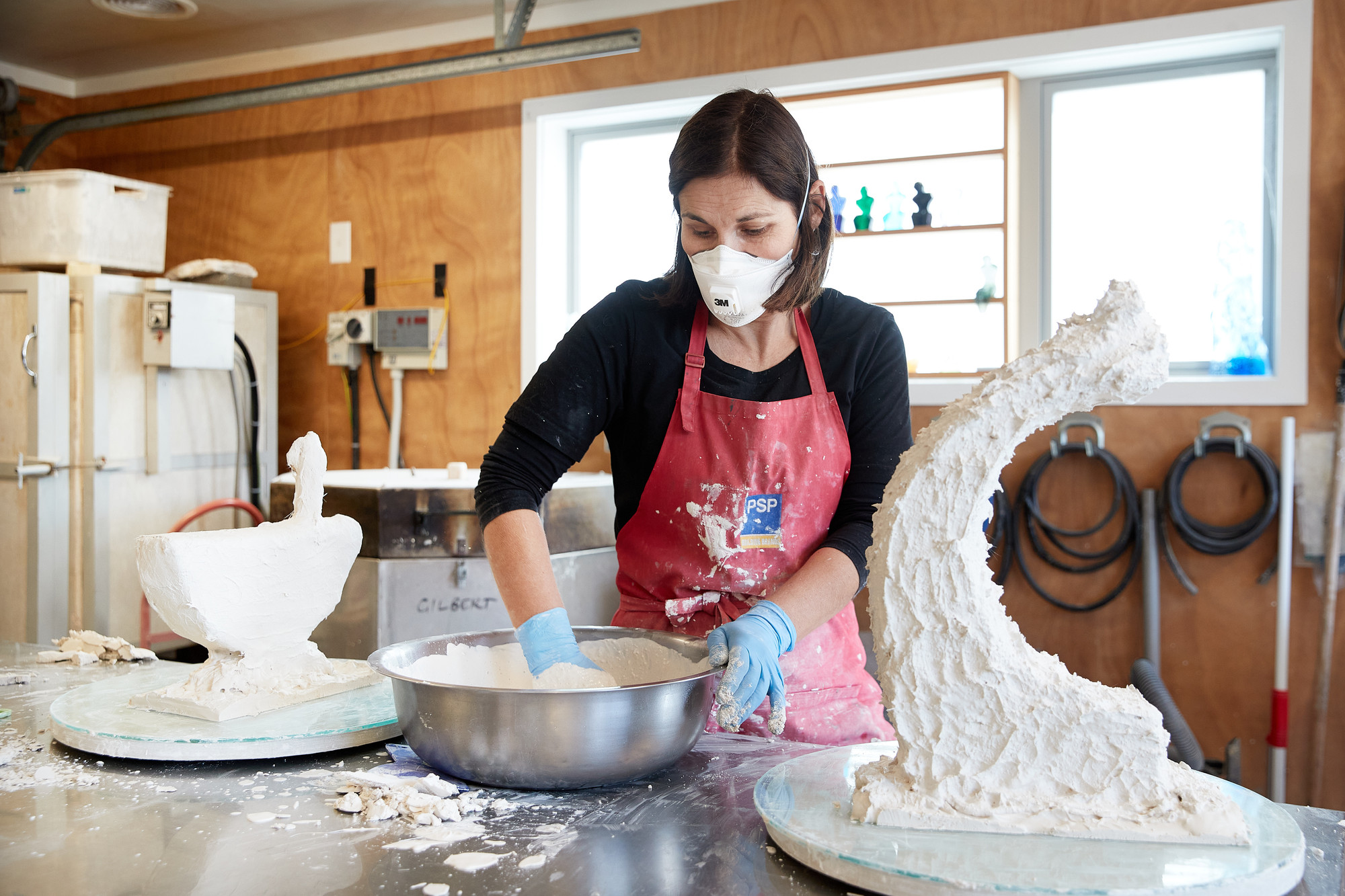
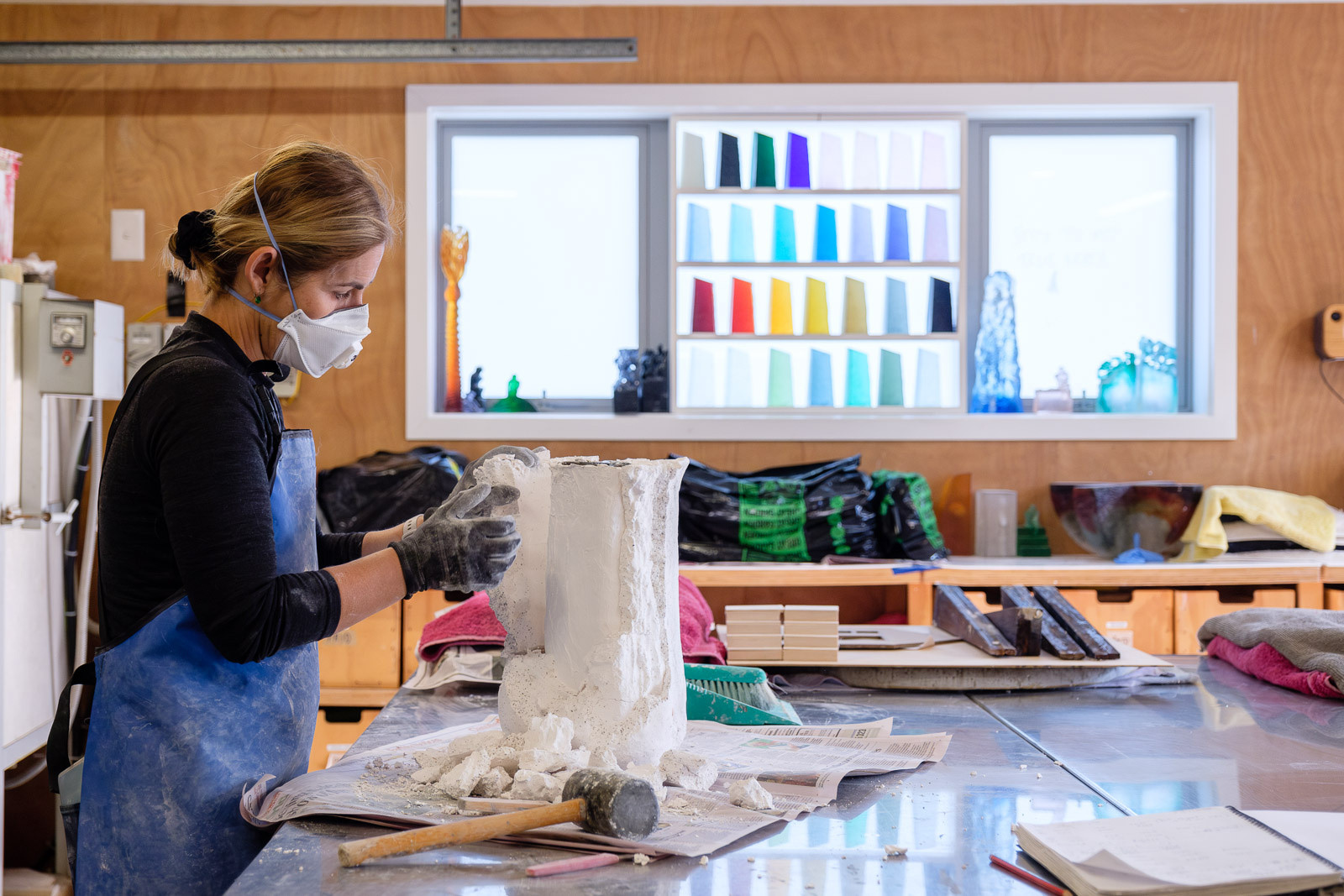
Hand-build a kiln mould from plaster and silica around the wax model
Steam the wax from the kiln mould
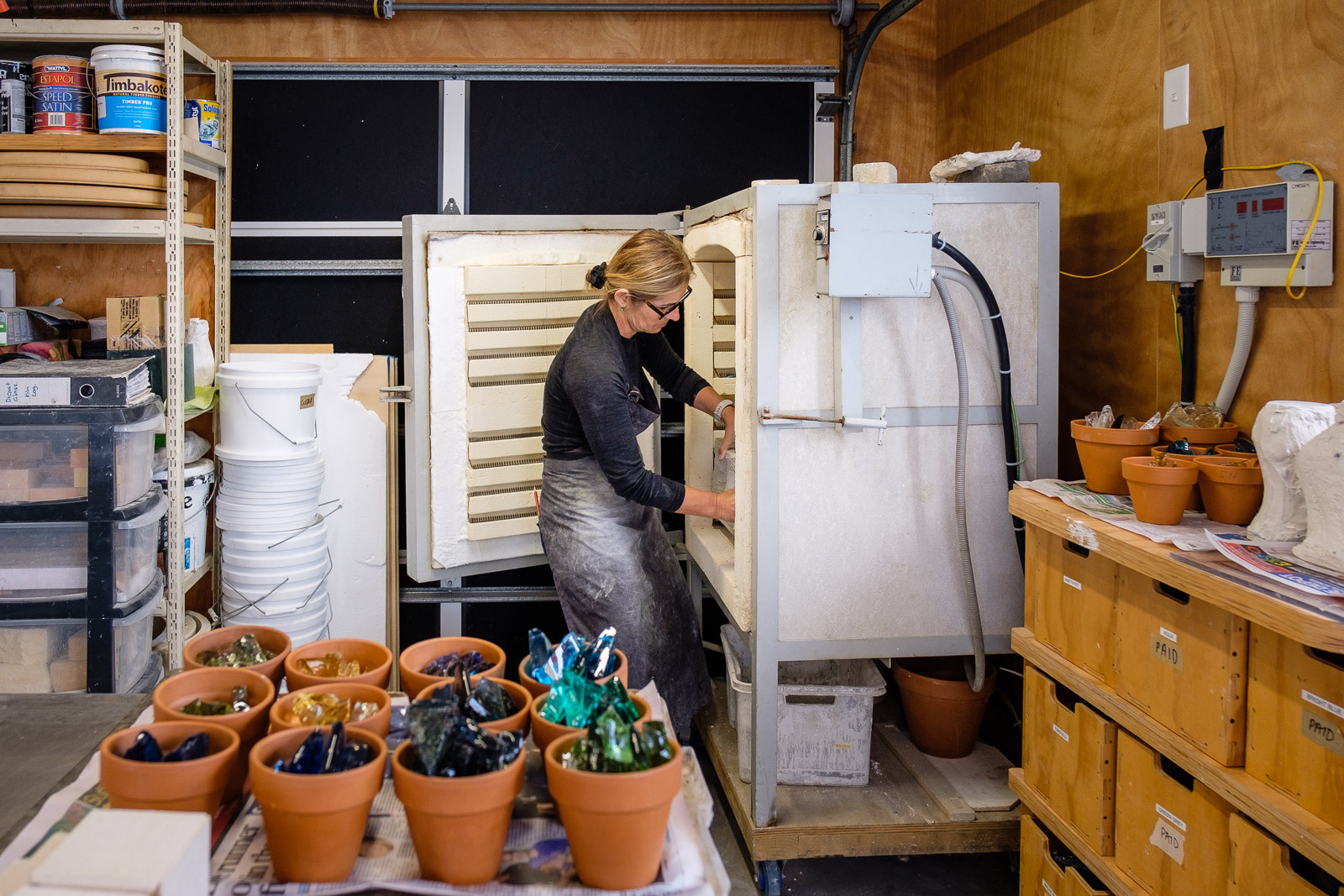
Weigh and clean the lead crystal and pack into a terracotta pot
Place the mould in the kiln with the terracotta pot positioned above it
Set the kiln controller to desired firing schedule, a minimum of one week
Unpack the kiln and discard the terracotta pot
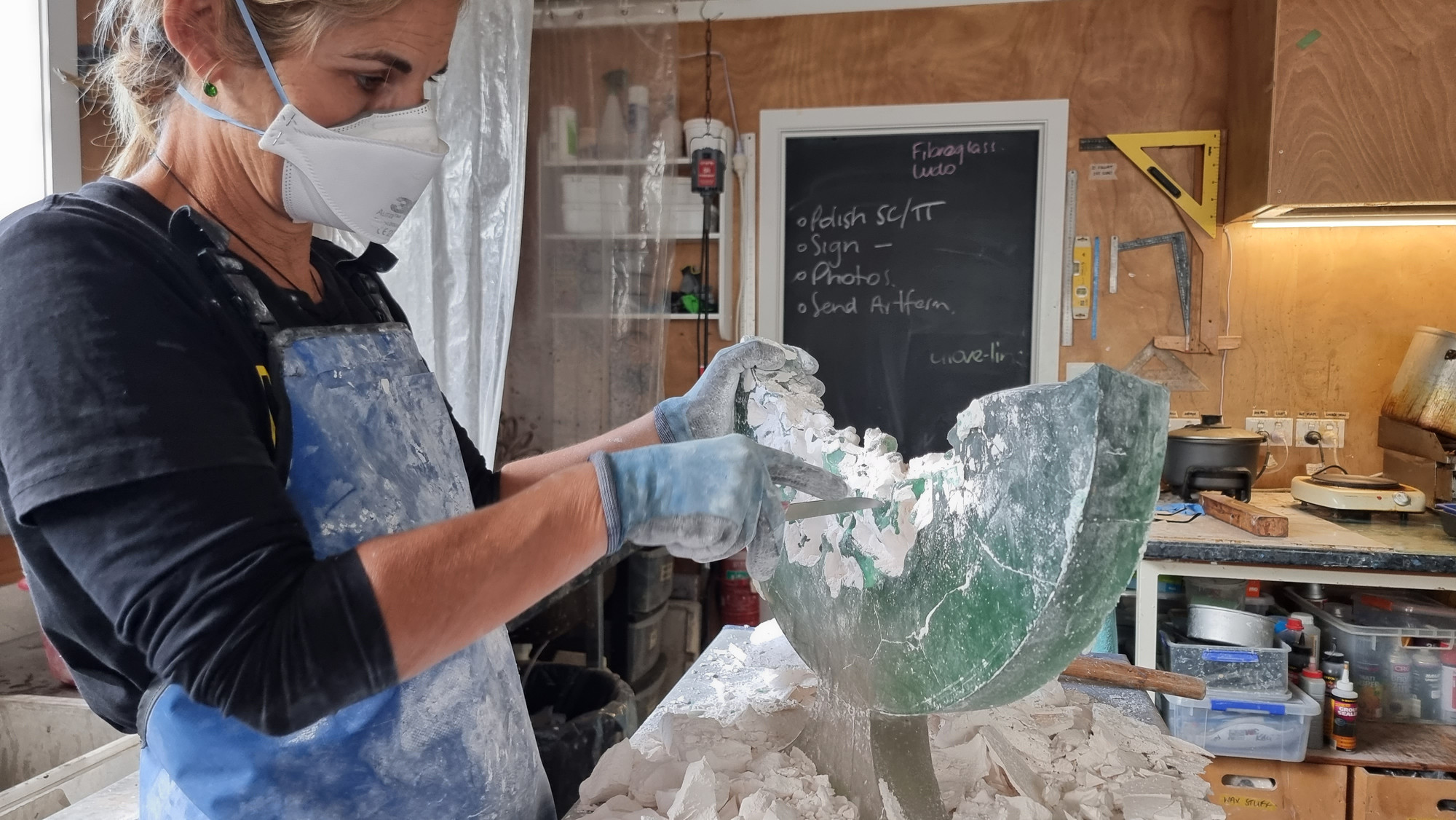
Remove the mould from the freshly cast glass
Cut the base off the glass with a diamond saw
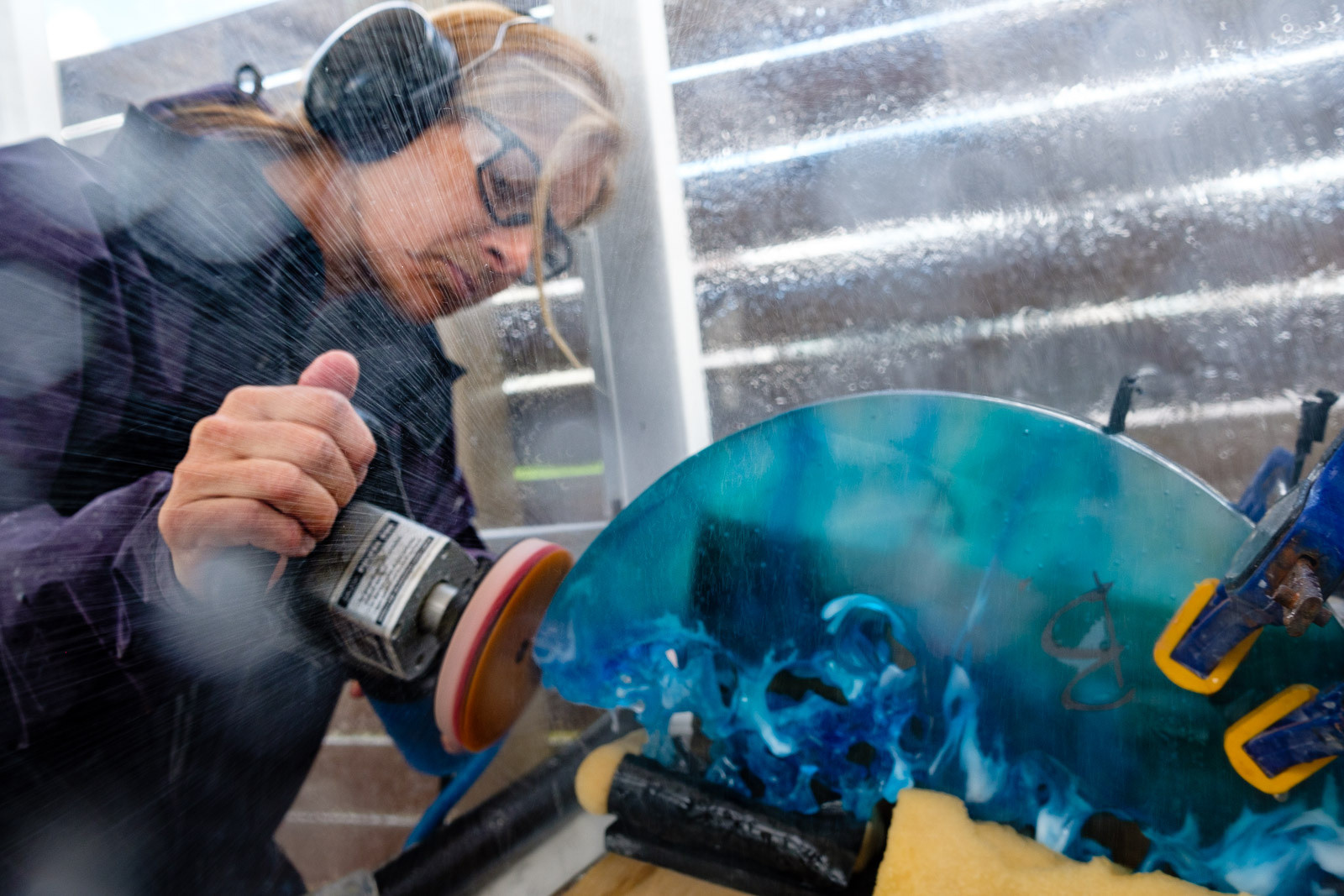
Grind the base by hand-lapping with four varying grades of grit
Soak glass in polish dip for 8 hours
Polish flat areas, base or sides, with cerium oxide
Engrave signature and artwork code on the base
Photograph and catalogue the finished cast glass artwork
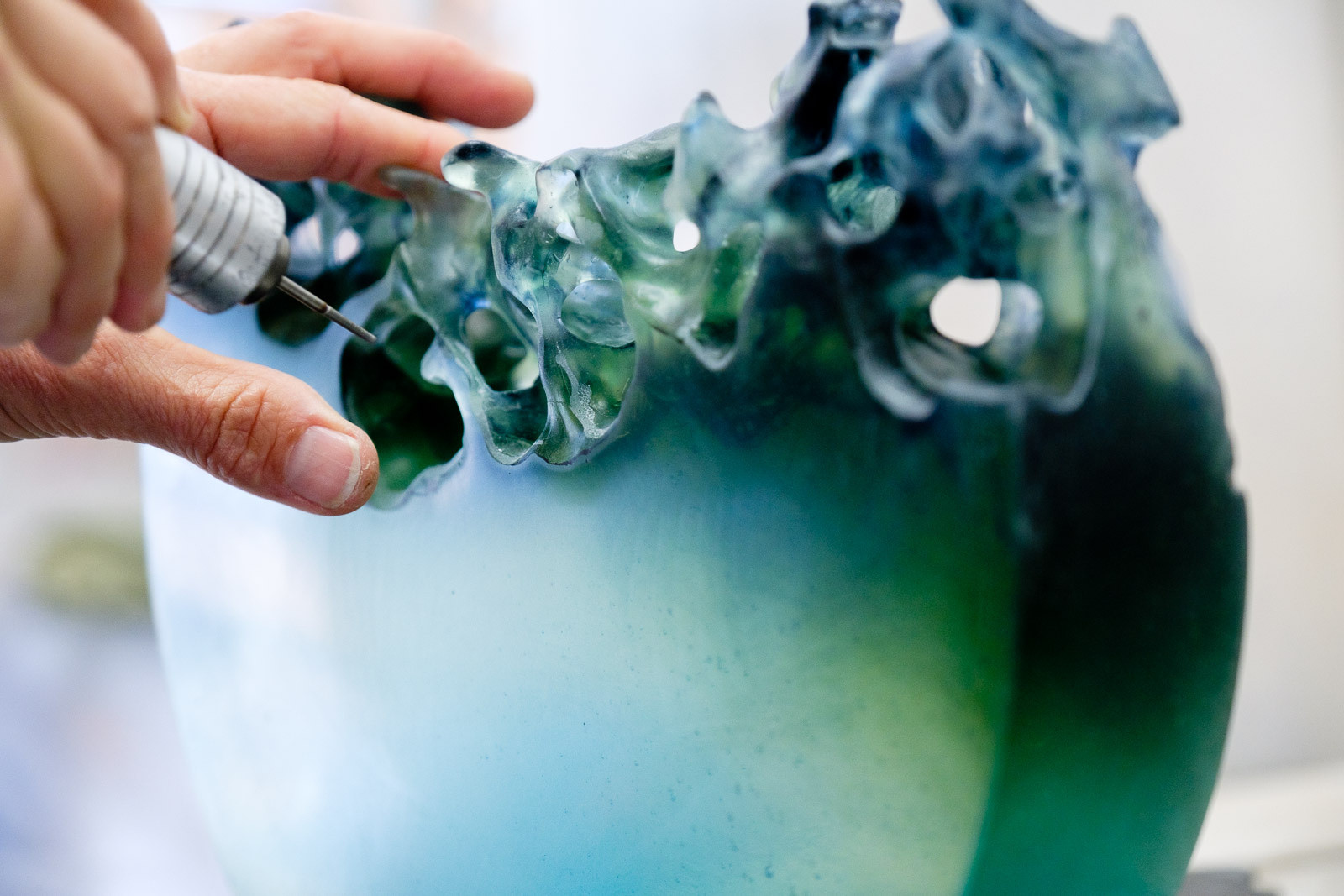
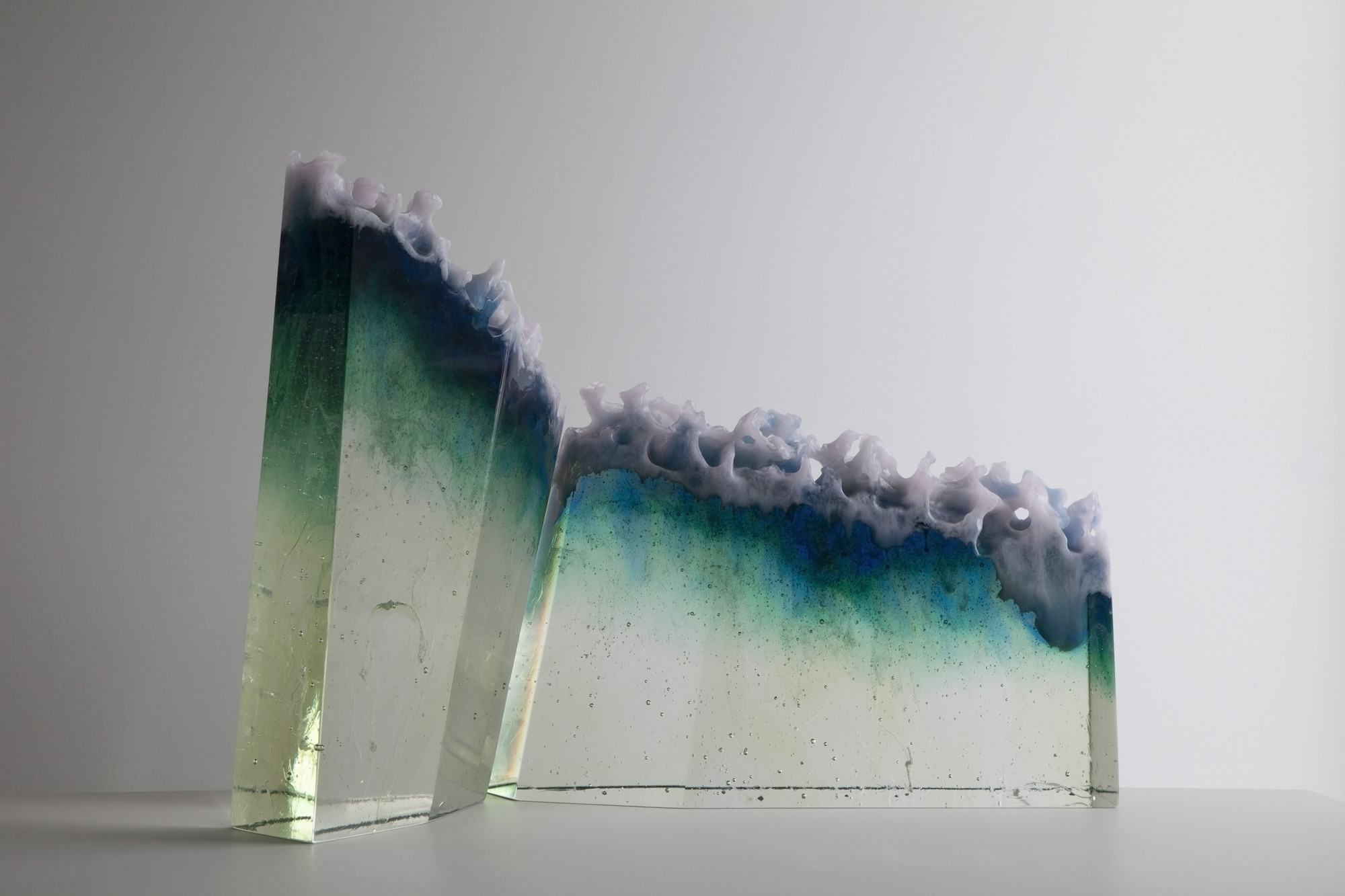
Light is the final collaborator in every sculpture. The cast glass artworks I create change with the day, inviting quiet reflection on connection, memory and place.
Photography by Adrian Malloch, Mark Hamilton, Grace Carson and Di Tocker